

Why Sea Turtle Conservation in Indonesia Should Be a Priority
As the largest archipelagic country in the world, Indonesia needs to maintain its valuable marine resources. Therefore, the Ministry of Maritime Affairs and Fisheries (KKP) is committed to restoring aquatic ecosystems through marine area conservation efforts, not to mention protecting sea turtle habitats in Indonesia.
The Ministry of Maritime Affairs and Fisheries, through the Directorate General of Marine and Marine Spatial Management (Ditjen PKRL), has designated 5.5 million hectares of sea turtle habitat as a conservation area. This step is part of Indonesia’s commitment to safeguard sea turtles and their crucial role in maintaining the marine ecosystem’s balance.
Why should We Prioritize Sea Turtle Conservation Efforts?
The World Wide Fund for Nature (WWF) states that over the past 30 years, an estimated 1.1 million sea turtles worldwide have been illegally exploited and traded. The Asia Pacific region has emerged as a notable for illegally smuggling on sea turtle meat, eggs, and carapaces.
Indonesia is home to six of the world’s seven sea turtle species. The Indonesian seas serve as a migration route, feeding ground, and breeding site for the following species:
- Green sea turtle (Chelonia mydas)
- Hawksbill sea turtle (Eretmochelys imbricata)
- Olive ridley sea turtle (Lepidochelys olivacea)
- Leatherback sea turtle (Dermochelys coriacea)
- Flatback sea turtle (Natator depressus)
- Loggerhead sea turtle (Caretta caretta)
As a result, the Indonesian government places significant emphasis on the sea turtles protection due to their status as a threatened aquatic species. Firdaus Agung, the Director of Conservation and Marine Biodiversity, emphasizes that conservation efforts for sea turtles are a top priority.
Government Commitment to Sea Turtle Conservation
The Ministry of Maritime Affairs and Fisheries has established 44 primary sea turtle conservation areas in 20 priority locations across 15 provinces. This significant step in sea turtle conservation is part of the 2020-2024 National Action Plan (RAN) for sea Turtle Conservation, which provides guidelines for managing sea turtles in Indonesia.
In addition, the Ministry of Maritime Affairs and Fisheries is working with various stakeholders, including the Ministry of Environment and Forestry (KLHK), the National Research and Innovation Agency (BRIN), local governments, universities, community organizations, and groups to develop sea turtle conservation plans. This collaborative effort aims to enhance the effectiveness of sea turtle conservation in Indonesia.
Achievements in Sea Turtle Conservation Efforts
In 2023, the sea turtle conservation actions carried out by the Ministry of Maritime Affairs and Fisheries and stakeholders have yielded positive results, including:
- Decreased sea turtle hunting in Paloh, Sambas, West Kalimantan, and Buru Island, Maluku, through collaboration with community groups to monitor and supervise nesting beaches.
- Reduced indirect use of leatherback sea turtles in the Kei Islands, Southeast Maluku, with increasing public awareness of the importance of preserving sea turtles.
- Support from WWF for establishing the Marine Protected Area in North Buru, Maluku, aiming for broader protection of the habitat of sea turtles and other marine biota.
The sea turtle conservation movements in Indonesian seas should be a continuous commitment. The Ministry of Maritime Affairs and Fisheries is devoted to expanding marine conservation areas and increasing the effectiveness of sea turtle conservation programs. Stakeholders’ collaboration is fundamental in realizing the conservation of Indonesian sea turtles and seas.
As a fishing company committed to sustainability, Aruna also supports sea turtle conservation efforts in Indonesia. We invite the entire community to work together to preserve marine biota and its ecosystem.
Let’s protect the sea turtles, protect the sea, and protect the future!
Aruna Initiative: Savings Program for Fishermen and Coastal Communities
As a fisheries company focused on empowering local fishermen, Aruna has various educational programs for coastal communities. The education programs aim to enhance the awareness and knowledge of coastal communities, especially regarding fishing technology and marine ecosystem sustainability.
Additionally, Aruna has initiated a special savings program for fishermen and coastal communities involved in the Aruna business ecosystem. With this program, Aruna hopes to assist coastal communities in financial management.
What is the savings program initiated by Aruna and what are its impacts on coastal communities?
Why Is This Savings Program Very Important?
The savings program for fishermen and coastal communities is conducted to establish an emergency fund. This emergency fund can be used to meet urgent needs, such as repairing boat engines or fishing gear, unexpected household expenses, and medical costs in case of illness or accidents while working.
Yanuardi Septian, from the Kalimantan Timur Community Development, explains, “Coincidentally, the people here have already seen a number of incidents that forced them to have an emergency fund.”
Previously, in undesirable situations, coastal communities often struggled to seek assistance. With the existence of savings, coastal communities have a reserve fund that can be used to meet needs if necessary.
How Does Aruna’s Savings Program Work?
This savings program is conducted collectively and takes place every two weeks. Members gather and deposit cash to the treasurer. Then, the treasurer collects and stores all the cash in Aruna’s cooperative bank account.
As done by the coastal community in Tanjung Batu, Berau, Kalimantan Timur, with Mr. Moko, Aruna Fisher 001, serving as the treasurer. After the funds are collected, Mr. Moko will validate the finances through a WhatsApp group consisting of fishermen and picker mothers.
The coastal community in Tanjung Batu has been saving regularly since August 2021. Through Aruna’s savings program, coastal communities can save easily and securely. One fisherman in Tanjung Batu, Mr. Jusman, said, “If there is an urgent need someday, this money can be withdrawn anytime.”
What Are the Benefits of Aruna’s Savings Program?
Aruna’s savings program provides various benefits to fishermen and coastal communities. In addition to helping with financial management, this program also offers the opportunity for communities to save for more specific purposes, such as retirement or children’s education funds. Thus, coastal communities can plan for the future more responsibly.
Aruna hopes that this savings program can have a positive long-term impact on fishermen and coastal communities. Active participation, transparency, and proper fund management are needed to ensure the sustainability of this savings program.
This program is one effort to improve the financial literacy of coastal communities. It not only provides a means to save but also imparts insights and skills in managing finances wisely and responsibly. Aruna will continue to provide support to ensure the successful implementation of this program.
Aruna is proud of the coastal communities involved in the Aruna community. Saving is a good habit that should be maintained. Aruna will continue to focus on the welfare of coastal communities through various empowerment programs. In doing so, the fisheries and marine sector will continue to be sustainable and beneficial to the people of Indonesia.
Rumpon, the “Home” for Fish that Helps Fishermen Practice Sustainable Fishing
Fisheries are one of Indonesia’s key sectors that contribute significantly to the economy. The sector also plays an important role in improving the welfare of communities, especially in coastal areas. Therefore, efforts are needed to ensure the sustainability of the ocean so that the fisheries sector can continue to develop and be beneficial.
One of the efforts to protect the marine environment is to promote the use of environmentally friendly fishing gear. The Provincial Government of South Sulawesi (Sulsel), for example, has a program to build rumpon or fish houses. What are the impacts of the rumpon building program? To find out more, let’s read this article!
Rumpon: Environmentally Friendly Fishing Gear
Rumpon or fish houses are structures that are placed on the seabed or other waters. Rumpon serves as a shelter, gathering place, and breeding ground for fish and marine life.
The advantages of rumpon as an environmentally friendly fishing gear are:
- It does not damage marine habitats and ecosystems. Rumpon can actually help preserve and enrich marine biodiversity.
- It does not produce waste or pollution because rumpon does not use chemicals or toxins that can harm fish and the environment.
- It does not have the potential to overfish, thus protecting small fish and other protected marine life.
By using rumpon, fishermen can catch fish more easily and efficiently. Fish will gather around the rumpon, so fishermen do not need to search for far or uncertain fishing locations. Fishermen only need to approach the rumpon and catch the fish that enter it. This can save operational costs and increase catch.
Rumpon Construction for Fishermen
Given the positive impacts of rumpon construction, the Sulsel Provincial Government plans to build rumpon on a massive scale. Rumpon construction is one of the priority programs of the Provincial Government that is considered strategic to support the fisheries sector in the Sulsel region.
According to the Head of the Sulsel Fisheries and Marine Affairs Office, M. Ilyas, the Sulsel Provincial Government has allocated a budget of Rp 109 billion for the construction of 68,280 units of rumpon for fishermen in 19 regencies/cities. This budget is taken from the 2024 Regional Revenue and Expenditure Budget (APBD) that is specifically for the fisheries sector.
Diversification of Fisheries Programs
In addition to rumpon construction, the Sulsel Provincial Government has also allocated a budget for other programs, namely an insurance program for 10,000 fishermen, the restoration of facilities and infrastructure in six fishing ports, and supervision in the field of fisheries and marine affairs.
These programs are expected to support the development of the fisheries sector in Sulsel in a comprehensive manner, both from the production, distribution, and consumption sides. Thus, it is hoped that it can provide broad benefits for the people of Sulsel, including reducing poverty, ensuring food availability, and preventing stunting.
Through the rumpon construction program and various other initiatives, it is hoped that Sulsel can become an example for other regions in efforts to preserve the marine environment, while also improving the welfare of coastal communities.
Aruna, a fishing company that is committed to the sustainability of marine and fisheries resources, also supports the program to use environmentally friendly fishing gear. In its implementation, Aruna fishermen also use environmentally friendly fishing gear, for example, traps used to catch crabs. This shows Aruna’s commitment to maintaining the balance of the marine ecosystem.
Let’s all support programs that can preserve the marine environment. With the support of all parties, we can create a sustainable ocean with all its biodiversity.
Embracing the Blue Economy: Indonesia’s Significant Reduction in Marine Plastic Waste
The United Nations has recognized Indonesia as the leading nation in land-based waste management to curb marine pollution. According to the National Coordination Team for Marine Plastic Waste Handling (TKN PSL), Indonesia has reduced plastic waste in its seas from 615,674 tons in 2018 to 398,000 tons in 2022. This achievement serves as a valuable lesson for island nations in the Archipelagic and Island States (AIS) community.
Over the past four years, Indonesia has successfully cut the inflow of plastic waste into its seas by approximately 39%. This demonstrates the government’s commitment to preserving marine ecosystems, as evidenced by Presidential Regulation (Perpres) No. 83 of 2018 on Marine Waste Management. The government has undertaken several initiatives, including:
Implementing an integrated approach to waste management from source to sea.
The primary source of plastic waste in the oceans is land-based. Consequently, Indonesia has not only concentrated on managing waste in coastal and marine areas but has also addressed the issue at its source. Measures include banning single-use plastics in industries, promoting waste separation between organic and non-organic materials, and encouraging the 3R principle: Reuse, Reduce, and Recycle. These efforts play a crucial role in preventing more plastic waste from reaching the seas.
Educating maritime industry stakeholders on marine waste management.
Apart from land-based sources, plastic waste also originates from ships, including cargo and passenger vessels. Raising awareness among maritime industry stakeholders can help reduce the volume of waste entering the oceans from ships. This education is essential to foster a sense of responsibility among industry stakeholders, ensuring their initiative to protect the marine environment.
Collaborating with neighboring countries to address plastic waste issues in Indonesian waters.
Admittedly, some of the plastic waste in Indonesian waters comes from other nations. Therefore, cooperation with relevant countries is necessary to tackle this issue. In mid-2023, Indonesia hosted the ASEAN-Indo-Pacific Workshop on Marine Plastic Debris. Together with ASEAN nations and Pacific Islands Forum (PIF) members, Indonesia discussed marine plastic waste management as a top priority.
The reduction in marine plastic waste is a result of collective efforts, including the ‘Month of Love for the Sea’ campaign initiated by the Ministry of Maritime Affairs and Fisheries (KKP). This campaign encourages citizens to clean up marine and coastal areas while raising awareness of the importance of preserving marine cleanliness.
Indonesia’s achievements in reducing marine plastic waste demonstrate its commitment to environmental preservation and climate change mitigation. Aruna supports marine conservation by providing education and assistance to fishermen, encouraging plastic waste reduction, waste sorting, reduced use of single-use plastics, and the use of eco-friendly products.
5 Countries Successfully Implementing the Sustainable Fisheries Concept
The Government of the Republic of Indonesia has designated the maritime sector as a crucial axis of the future economy. Beyond embracing the blue economy, the government envisions Indonesia as a global maritime hub. In applying the blue economy, the concept of sustainable fisheries plays a pivotal role.
Countries that have succeeded in Implementing the Sustainable Fisheries Concept are Predominantly European Nations
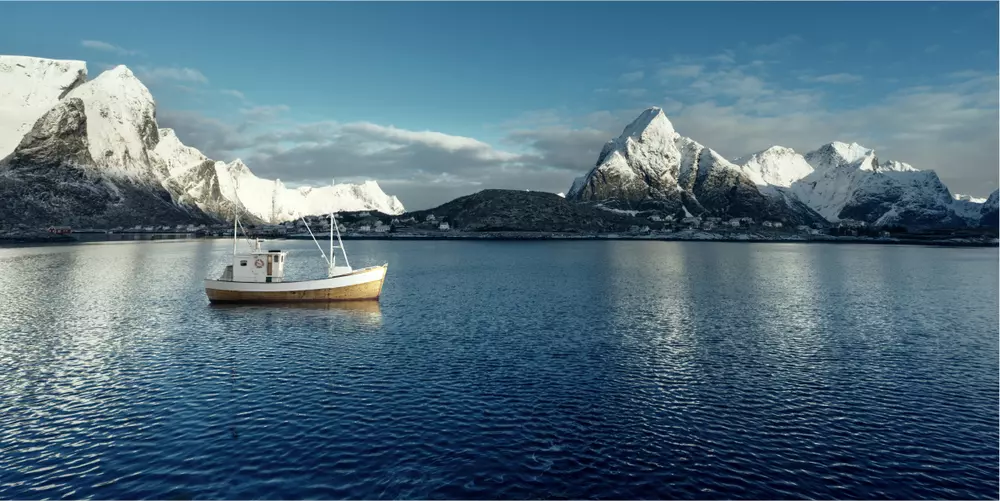 Implementing sustainable fisheries concepts is intricately linked to the blue economy, where economic progress must coexist with ecological preservation. Numerous countries acknowledge the significance of implementing sustainable fisheries concepts, and five countries have successfully put this sustainability concept into practice. Among these, four are European nations. Some of them include:
Canada
Canada has introduced various policies and practices for sustainable fisheries, proving effective. The nation employs stringent fisheries management systems, limiting the annual catch of fish. Moreover, Canada has developed a certification program for sustainable fisheries known as Fisheries Improvement Projects (FIPs).
United States
The United States has diligently worked toward implementing sustainable fisheries. It has introduced laws and regulations to cap fish catch and tightly control fishing activities. The U.S. has also established its certification program for sustainable fisheries, recognized as the Marine Stewardship Council (MSC). This program has successfully generated over 350 sustainable fish products in the global market.
New Zealand
New Zealand has implemented strict regulations to ensure the sustainability of its fisheries. Their effective fisheries management system includes setting fish catch limits, designating limited fishing zones, and prohibiting fishing in critical areas. New Zealand demonstrates a strong commitment to international fisheries sustainability by participating in various global forums and organizations.
Iceland
Iceland has been a leader in sustainable fisheries implementation. This Western European country has an effective fisheries management system, which includes catch limits and environmentally friendly technology usage to maintain marine resource sustainability. Iceland has also developed its own certification for sustainable fisheries called Responsible Fisheries Management.
Norway
Norway has led sustainable fisheries for decades, employing rigorous fisheries management systems. The Norwegian government restricts annual fish catch and maintains strict control over seafood supplier channels. Norway also possesses an internationally recognized certification system for sustainable fisheries. Presently, over 60% of fish caught in Norwegian waters are certified as sustainable fisheries.
The Indonesian government, through the Ministry of Maritime Affairs and Fisheries (KKP), has much to learn from countries that have advanced their fisheries industry through bilateral and multilateral cooperation in applying the sustainable fisheries concept. While advancing the maritime sector is not solely the government’s responsibility, all segments must unite in support and active involvement, spanning from producers to consumers.
As a supply chain aggregator, Aruna has been actively engaged in educating communities, from fishermen to broader consumers of seafood products, about the benefits of sustainable fisheries. Through the Aruna Hub ecosystem, coastal communities across various regions have received education on reducing fishing waste and transforming it into economically valuable products. This pursuit aligns with the mission to make the sea a better source of life for all.
Kebumen Shrimp Farm, an Inclusive Example of Sustainable Fisheries
Indonesia’s Ministry of Marine Affairs and Fisheries, commonly known as KKP, is increasingly demonstrating its efforts to integrate sustainability into fisheries. The recently built Modern Shrimp Farm (BUBK) in Kebumen, Central Java is KKP’s latest project and a perfect example of sustainable fishing.
Tablets Haeru Rahayu, general manager of fisheries and aquaculture at KKP, described how KKP turned this regional shrimp farm into a pilot project for other regions to follow. “We are developing a paradigm for regional shrimp farming.We will continue to fight for this. Thank goodness KKP is working with Kebumen Regency government this year. The Regent is always late,” he said.
An example of sustainable and inclusive fisheries in terms of human resources, environment and economy
From the start, KKP made it clear that it would use local technical staff and human resources from surrounding communities to operate the largest modern shrimp farm in Indonesia. The main goal of this modern farm is to show how effective sustainable wisdom can be applied and how it has a positive impact on many different areas, especially ecological and economical.
This state-of-the-art farm helps protect the environment and improve local income and community living standards. The success of this modern shrimp farm will be another concrete proof that the principles of circular economy and blue economy are implemented in the fisheries sector. In this way, the evaluation and research on the examples of sustainable fishing at the BUBK can be further deepened.
Previously less productive shrimp farming area
A shrimp farm established in Kebumen on 100 hectares of land already occupied 60 hectares of land used for the construction of various infrastructures. This area, formerly built as a traditional shrimp farm, had an irregular productivity of 0.6 tons/ha/year and had no sewage treatment plant. Thanks to the direct idea of Minister of Maritime Affairs and Fisheries Sakti Wahyu Trenggeno, the land was developed and today it is a breakthrough in the development of shrimp farming with a more modern and productive concept. The national target of 2 million tons of shrimp production is expected to be able to supply seafood suppliers in different regions in 2024.
“This is the first in Indonesia and we will build such models in many places in Indonesia. We are launching BUBK with Kebumen as the national driver,” Trenggeno said during a site visit with Kebumen Regent Arif Sugiyanto, Vice Regent Ristawati Purwaningsih, Forkompimda officials, KRT H Darori Wonodipuro, Indonesian MP for Kebumen and related officials.
Development at the initiative of the Minister of Maritime Economy and Fisheries
Minister Trenggeno also announced that the BUBK model is indeed very suitable for construction due to its modern management and the consideration of environmental sustainability and surrounding ecosystem aspects. KKP expects that BUBK will start operations in Kebumen in February 2023 and will take on no fewer than 300 direct employees. The regent of Kebumen, Arif Sugiyanto, also stated that local workers to be deployed in the future will first be trained in Jepara before being hired to manage BUBK.
Aruna, as a fishing company that attaches great importance to the application of technology and sustainability aspects, will also participate in making the Kebumen BUBK project an example of sustainable fisheries that deserves to be researched and applied to the development of the Fishing industry to be recreated. By prioritizing partnerships, one of which is through the Aruna Hub, the future of the country’s fisheries will undoubtedly benefit various sectors of society.